
The Father’s Moral Counsel
The ReaderMichael turns to his philosopher father for guidance about intervening in Hanna’s defense, then finds that moral clarity still requires a personal decision.
increasing Bearing strength in each event
 decreasing
Bearing strength in each eventdecreasingA Problem in the Abstract

Seeking a Principle
A Hypothetical Case
Michael wants to know whether one should intervene when a person’s shame or ignorance is leading toward ruin. He presents the dilemma without naming Hanna.
A Distant Adviser
His father recognizes that the issue relates to the trial but does not force a confession. Michael chooses him because philosophical distance seems safer than asking friends for practical advice.
Freedom and Dignity

The Limits of Paternalism
Respect for the Person
Michael’s father argues that adults’ own understanding of their good should not be displaced by someone else’s judgment. He distinguishes happiness from dignity and freedom.
An Uncomfortable Relief
Michael first interprets the argument as permission to remain silent. The principle comforts him precisely because it appears to remove the need to act, even though his own conscience remains unsettled.
The Corrected Advice
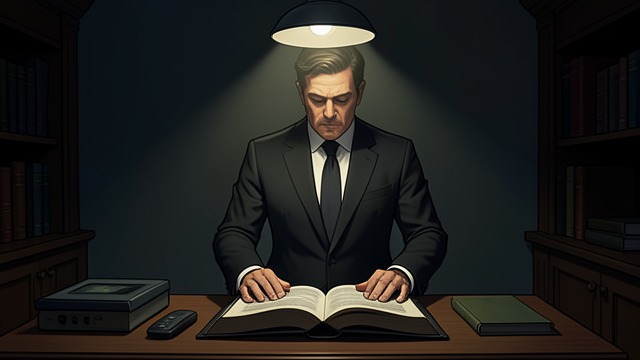
The Duty to Speak
Inherited Responsibility
Michael’s father revises the apparent implication: if someone knows another person is blind to something important, they must speak to that person directly. They must leave the final choice to the other, but cannot speak behind their back.
No Easy Escape
The answer makes Michael’s situation harder rather than solving it. He would have to face Hanna, name her illiteracy, and explain the consequences of her choices.
The Unasked Question

A Decision Without Certainty
The Conversation Ends
Michael asks what to do if he cannot speak to Hanna, then recognizes that he is avoiding a decision. His father admits that he cannot help as either philosopher or parent.
Shared Embarrassment
Michael does not believe his father’s invitation to come anytime, but remembers the exchange after his father’s death. The encounter offers a rare moment of mutual vulnerability without giving Michael a route out of responsibility.
The Courtroom Silence

The Choice Not to Intervene
A Possible Disclosure
Michael could tell the judge that Hanna cannot read and cannot properly study the indictment or the memoir. Such information might change the court’s view of her role and sentence.
Respect or Avoidance
He decides not to expose Hanna against her will and does not speak to her first. The decision respects her stated self-image, but also protects him from the painful encounter he knows he should have attempted.
Near the end of Hanna’s trial
During the private conversation in his father’s study
Later in the same conversation
After Michael asks whether direct conversation is impossible
Before the trial’s end
